Bahmani Sultans — AE Fals (876 AH)
Ruler: Bahmani Sultanate
Mint: Gani
Obverse:
(Illegible / standard Bahmani calligraphic type)
Reverse:
(Religious inscription / mint & date formula)
Metal: AE (Copper)
Weight / Diameter: 16.47 g · 22 mm
References:
KM — (unlisted)
Historical Note:
The Bahmani Sultanate (1347–1527) was the first major independent
Muslim kingdom in the Deccan. By 876 AH (1471–1472 CE), the state
was entering a period of political strain, yet its mints continued
to produce heavy copper fals with bold Deccan calligraphy.
The Gani mint is one of the less frequently encountered Bahmani
mints, making its issues scarcer than those of major centres such
as Hadrat Ahsanabad or Fathabad.


Bull and Horseman — Jital
Type: Jital
Mint: —
Obverse:
Stylised humped bull facing left
Reverse:
Horseman right, holding spear
Metal: AE (Copper)
Weight / Diameter: 3.35 g · 13 mm
References:
KM —
Historical Note:
The Bull and Horseman series dominated North Indian coinage from the
10th–13th centuries, circulating widely under the Hindu Shahi rulers
and later under the early Delhi Sultanate. Their durability and
recognisable iconography made them a stable regional currency for
nearly three centuries.

| Details | Ruler | Image |
Sind Sultanate — Nasir al‑Din Muhammad Qarlugh (SS14)Ruler: Nasir al‑Din Muhammad Qarlugh Mint: — Obverse: Reverse: Date: 1249–1266 CE Denomination: Jital Metal: Billon Weight / Diameter: 2.92 g · 14 mm References: Historical Note: |
Sind Sultanate
|

|
Delhi Sultanate
| Details | Ruler | Image |
Sultans of Delhi — Sher Shah Suri (AH 950)Ruler: Sher Shah Suri Mint: No mint Obverse: Reverse: Denomination: AE Paisa Date: AH 950 Metal: AE (Copper) Weight / Diameter: 20.47 g · 24 mm References: Historical Note: |
Sher Shah Suri
|

|
Sultans of Delhi — Muhammad bin Tughluq (AH 715)Ruler: Muhammad bin Tughluq Mint: No mint Obverse: Reverse: Denomination: Six Gani Date: AH 715 Metal: AE (Copper) Weight / Diameter: 3.60 g · 16 mm References: Historical Note: |
Muhammad bin Tughluq
|

|
Delhi Sultanate — Mubarak Shah (4 Gani)Ruler: Mubarak Shah (Khilji) Mint: — Obverse: Reverse: Date: AH 716 Denomination: 4 Gani Metal: Billon Weight / Diameter: 3.53 g · 16 mm References: Historical Note: |
Mubarak Shah
|
16 3.53g 16mm.jpg)
|
Delhi Sultanate — Muhammad bin Tughluq (6 Gani)Ruler: Muhammad bin Tughluq Mint: — Obverse: Reverse: Date: AH 737 Denomination: 6 Gani Metal: Billon Weight / Diameter: 3.53 g · 15 mm References: Historical Note: |
Muhammad bin Tughluq
|

|
Delhi Sultanate — Muhammad bin Tughluq (10 Gani)Ruler: Muhammad bin Tughluq Mint: — Obverse: Reverse: Date: AH 726 Denomination: 10 Gani Metal: Billon Weight / Diameter: — References: Historical Note: |
Muhammad bin Tughluq
|

|
Delhi Sultanate — Nasir al‑Din Mahmud (AR Tanka)Ruler: Nasir al‑Din Mahmud Mint: Mint off flan (Hazrat Dehli) Obverse: Reverse: Date: AH 644–664 / AD 1246–1266 Denomination: Tanka Metal: Silver Weight / Diameter: 10.71 g · 28 mm References: Historical Note: |
Nasir al‑Din Mahmud
|
.jpg)
|
Delhi Sultanate — Jital (Lahore)Mint: Lahore Obverse: Reverse: Denomination: Jital Metal: AE (Copper) Weight / Diameter: — References: Historical Note: |
Lahore Jital
|

|
Delhi Sultanate — Iltutmish (Jital, Multan)Ruler: Shams al‑Din Iltutmish Mint: Multan Obverse: Reverse: Denomination: Jital Metal: AE (Copper) Weight / Diameter: — References: Historical Note: |
Iltutmish — Multan
|

|
Delhi Sultanate — Qutb al‑Din Mubarak Shah (8 Gani)Ruler: Qutb al‑Din Mubarak Shah Mint: — Obverse: Reverse: Denomination: 8 Gani Metal: AE (Copper) Weight / Diameter: 3.62 g · 16×18 mm References: Historical Note: |
Qutb al‑Din Mubarak Shah
|

|
Delhi Sultanate — Qutb al‑Din Mubarak Shah (8 Gani)Ruler: Qutb al‑Din Mubarak Shah Mint: — Obverse: Reverse: Denomination: 8 Gani Metal: AE (Copper) Weight / Diameter: 3.62 g · 14 mm References: Historical Note: |
Qutb al‑Din Mubarak Shah
|

|
Delhi Sultanate — Sikandar Shah Lodi (Tanka of 96 Rati)Ruler: Sikandar Shah Lodi Mint: — Obverse: Reverse: Date: AH 914 Denomination: Tanka of 96 rati Metal: Billon Weight / Diameter: 8.93 g · 15 mm References: Historical Note: |
Sikandar Shah Lodi
|

|
Delhi Sultanate — Sikandar Shah Lodi (Tanka of 96 Rati)Ruler: Sikandar Shah Lodi Mint: — Obverse: Reverse: Date: AH — Denomination: Tanka of 96 rati Metal: Billon Weight / Diameter: 9.09 g · 18 mm References: Historical Note: |
Sikandar Shah Lodi
|

|
| Details | Ruler | Image |
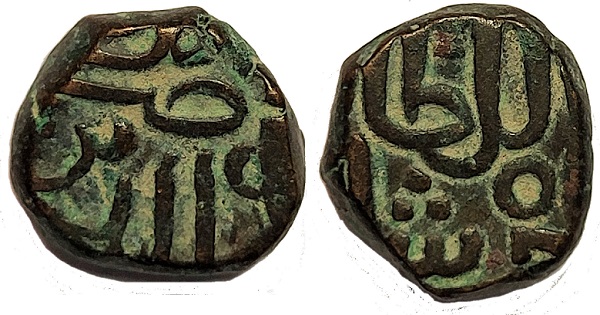
Sultans of Gujarat — Ahmed Shah (Half Falus)Ruler: Ahmed Shah Mint: No mint Obverse: Reverse: Date: AH 813–846 / AD 1411–1442 Denomination: Half Falus Metal: AE (Copper) Weight / Diameter: 4.66 g · 11×13 mm References: Historical Note: |
Ahmed Shah
|
|
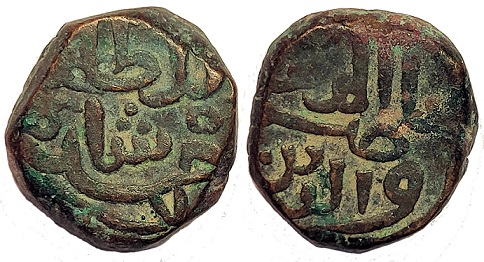
Sultans of Gujarat — Ahmed Shah (Half Falus)Ruler: Ahmed Shah Mint: No mint Obverse: Reverse: Date: AH 813–846 / AD 1411–1442 Denomination: Half Falus Metal: AE (Copper) Weight / Diameter: 9.36 g · 14×17 mm References: Historical Note: |
Ahmed Shah
|
|
Sultans of Gujarat — Muhammad Shah II (1½ Falus)Ruler: Muhammad Shah II Mint: No mint Obverse: Reverse: Date: AH — Denomination: 1½ Falus Metal: AE (Copper) Weight / Diameter: 14.28 g · 20 mm References: Historical Note: |
Muhammad Shah II
|

|
Sultans of Gujarat — Ahmed Shah II (Falus)Ruler: Ahmed Shah II Mint: No mint Obverse: Reverse: Date: AH 85(5) Denomination: Falus Metal: AE (Copper) Weight / Diameter: 14.32 g · 23 mm References: Historical Note: |
Ahmed Shah II
|

|
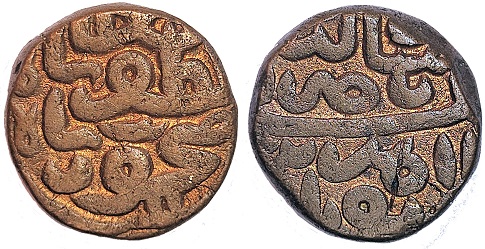
Sultans of Gujarat — Mahmud Shah III (Falus)Ruler: Mahmud Shah III Mint: No mint Obverse: Reverse: Date: AH 944–961 / AD 1537–1553 Denomination: Falus Metal: AE (Copper) Weight / Diameter: 11.31 g · 17 mm References: Notes: Historical Note: |
Mahmud Shah III
|
|
Gujarat Sultanate — Mahmud Begada (1½ Tanka)Ruler: Mahmud Begada Mint: Mustafabad Obverse: Reverse: Date: AH — Denomination: 1½ Tanka Metal: AE (Copper) Weight / Diameter: 14.37 g · 19 mm References: Historical Note: |
Mahmud Begada
|
 - one and half tanka.jpg)
|
Gujarat Sultanate — Shams al‑Din Muzaffar II (Tanka)Ruler: Shams al‑Din Muzaffar II Mint: — Obverse: Reverse: Date: AH 926 Denomination: Tanka Metal: AE (Copper) Weight / Diameter: 6.95 g · 15 mm References: Historical Note: |
Shams al‑Din Muzaffar II
|

|
Gujarat Sultanate — Muzaffar Shah III (Falus)Ruler: Muzaffar Shah III Mint: Ahmadabad Obverse: Reverse: Date: AH 978 Denomination: Falus Metal: AE (Copper) Weight / Diameter: 11.56 g · 18 mm References: Historical Note: |
Muzaffar Shah III
|

|
Gujarat Sultanate — Muzaffar Shah II (Falus)Ruler: Muzaffar Shah II Mint: Mustafabad Obverse: Reverse: Date: AH XX2X Denomination: Falus Metal: AE (Copper) Weight / Diameter: 11.20 g · 19 mm References: Historical Note: |
Muzaffar Shah II
|

|
Gujarat Sultanate — Muzaffar Shah III (Falus)Ruler: Muzaffar Shah III Mint: Ahmadabad Obverse: Reverse: Date: AH 971 (AD 1563) Denomination: Falus Metal: AE (Copper) Weight / Diameter: 9.56 g · 17 mm References: Historical Note: |
Muzaffar Shah III
|

|
Gujarat Sultanate — Bahadur Shah (Double Falus)Ruler: Bahadur Shah Mint: — Obverse: Reverse: Date: AH 940 (AD 1533) Denomination: Double Falus of 72 rati Metal: AE (Copper) Weight / Diameter: 17.10 g · 21 mm References: Historical Note: |
Bahadur Shah
|

|
Ahmadnagar — Nizam Shahs (Murtaza II), 2/3 FalusRuler: Murtaza II (Nizam Shahs) Mint: Ahmadnagar Obverse: Reverse: Date: AH 1009–1019 / AD 1600–1610 Denomination: 2/3 Falus Metal: AE (Copper) Weight / Diameter: 9.21 g · 18 mm References: Historical Note: |
Murtaza II
|

|
| Details | Ruler | Image |
Sultans of Golkonda — Qutb Shahi (Falus)Ruler: Qutb Shahi Dynasty Mint: Haidarabad, Dar al‑Sultanat Obverse: Reverse: Date: AH 1068 Denomination: Falus Metal: AE (Copper) Weight / Diameter: 10.65 g · 19 mm References: Historical Note: |
Qutb Shahi
|

|
Sultans of Golkonda — Qutb Shahi (Falus)Ruler: Qutb Shahi Dynasty Mint: Haidarabad, Dar al‑Sultanat Obverse: Reverse: Date: AH 1068 Denomination: Falus Metal: AE (Copper) Weight / Diameter: 10.68 g · 19 mm References: Historical Note: |
Qutb Shahi
|

|
Bengal Sultanate
| Details | Ruler | Image |
Sultans of Bengal — AE IssueRuler: Bengal Sultanate Mint: — Obverse: Reverse: Date: AH 939–944 Denomination: AE Metal: Copper Weight / Diameter: — References: Historical Note: |
Bengal Sultanate
|

|
Bengal Sultanate — Islam Shah Suri (1½ Tanka)Ruler: Islam Shah Suri Mint: No mint mark Obverse: Reverse: Date: AH 966 (AD 1569) Denomination: 1½ Tanka (Rupee) Metal: Silver Weight / Diameter: 11.30 g · 27 mm References: Historical Note: |
Islam Shah Suri
|
.jpg)
|
Bengal Sultanate — Ghiyath al‑Din Bahadur (1½ Tanka)Ruler: Ghiyath al‑Din Bahadur Mint: No mint Obverse: Reverse: Date: AH 941 (AD 1549) Denomination: 1½ Tanka (Rupee) Metal: Silver Weight / Diameter: 11.30 g · 27 mm References: Historical Note: |
Ghiyath al‑Din Bahadur
|

|
Jaunpur Sultanate
| Details | Ruler | Image |
Jaunpur Sultanate — Ibrahim Shah (32 Rati)Ruler: Ibrahim Shah Mint: — Obverse: Reverse: Date: AH 828 Denomination: 32 Rati Metal: Billon Weight / Diameter: 3.19 g · 14 mm References: Historical Note: |
Ibrahim Shah
|

|
Jaunpur Sultanate — Ibrahim Shah (Falus)Ruler: Ibrahim Shah Mint: — Obverse: Reverse: Date: AH 834 Denomination: Falus Metal: Billon Weight / Diameter: 4.19 g · 14 mm References: Historical Note: |
Ibrahim Shah
|

|
Jaunpur Sultanate — Ibrahim Shah (Falus)Ruler: Ibrahim Shah Mint: — Obverse: Reverse: Date: AH 842 Denomination: Falus Metal: Billon Weight / Diameter: 4.59 g · 16 mm References: Historical Note: |
Ibrahim Shah
|

|
Jaunpur Sultanate — Husain Shah (Falus)Ruler: Husain Shah Mint: — Obverse: Reverse: Date: AH 899 Denomination: Falus Metal: Billon Weight / Diameter: 9.00 g · 19 mm References: Historical Note: |
Husain Shah
|

|
Jaunpur Sultanate — Husain Shah (Falus)Ruler: Husain Shah Mint: — Obverse: Reverse: Date: AH 8xx Denomination: Falus Metal: Billon Weight / Diameter: 9.81 g · 17 mm References: Historical Note: |
Husain Shah
|

|
Jaunpur Sultanate — Husain Shah (Falus)Ruler: Husain Shah Mint: — Obverse: Reverse: Date: AH 875 Denomination: Falus Metal: Billon Weight / Diameter: 4.50 g · 15 mm References: Historical Note: |
Husain Shah
|

|
Jaunpur Sultanate — Nasir al‑Din Mahmud Shah (Falus)Ruler: Nasir al‑Din Mahmud Shah Mint: — Obverse: Reverse: Date: AH 85x Denomination: Falus Metal: AE (Copper) Weight / Diameter: 4.37 g · 14 mm References: Historical Note: |
Nasir al‑Din Mahmud Shah
|

|
Sultans of Malwa
| Details | Ruler | Image |
Sultans of Malwa — Mahmud Shah II (½ Falus)Ruler: Mahmud Shah II Mint: Chanderi Obverse: Reverse: Date: AH 917 Denomination: ½ Falus Metal: AE (Copper) Weight / Diameter: 4.43 g · 12×14 mm References: Historical Note: |
Mahmud Shah II
|
7 4.43g 12x14mm.jpg)
|
Sultans of Malwa — Mahmud Shah II (½ Falus)Ruler: Mahmud Shah II Mint: Chanderi Obverse: Reverse: Date: AH (91)8 Denomination: ½ Falus Metal: AE (Copper) Weight / Diameter: 2.02 g · 10 mm References: Historical Note: |
Mahmud Shah II
|
8 2.02g 10mm.jpg)
|
Sultans of Malwa — Mahmud Shah II (¼ Falus)Ruler: Mahmud Shah II Mint: Chanderi Obverse: Reverse: Date: AH (91)8 Denomination: ¼ Falus Metal: AE (Copper) Weight / Diameter: 1.37 g · 9 mm References: Historical Note: |
Mahmud Shah II
|

|
Sultans of Malwa — Mahmud Shah III (Falus)Ruler: Mahmud Shah III Mint: Shadiabad (NM) Obverse: Reverse: Date: AH 946 Denomination: Falus Metal: AE (Copper) Weight / Diameter: 10.04 g · 19 mm References: Historical Note: |
Mahmud Shah III
|

|
Sultans of Kashmir
| Details | Ruler | Image |
Kashmir Sultanate — Fath Shah (AE Kaserah)Ruler: Fath Shah Mint: — Obverse: Reverse: Date: AH 874 Denomination: Kaserah Metal: AE (Copper) Weight / Diameter: 5.51 g · 18 mm References: Historical Note: |
Fath Shah
|
 5.51g 18mm.jpg)
|